
Decoding Skincare: A Guide to Understanding Ingredient Labels
Do you ever get a skincare item and you’re thinking, “I hope this does what it says it’ll do,” or “I hope this works for me like it did [insert favorite internet personality]”, or maybe “This looks good; I like the name and the package”? This blog article is for you! I’m going to teach you how to expertly read a product ingredient label and decipher whether the item is good for your skin or good in general.

I know there are so, so many products to choose from, and sometimes it can get really overwhelming and confusing. This will give you the knowledge to look at a product label and tell if it's a good item or worth purchasing, or if it’s a skip.
There are so many resources out there that help you decipher if your skincare item is a good one or not! This blog is a great source (just use my search bar at the top of any post), and I also love the EWG SkinDeep Database, where you can look up products or ingredients and get a rating on how toxic they are, plus other info. I’ll mention the EWG a few times in this article.
Start With the Back of the Bottle, Not the Front
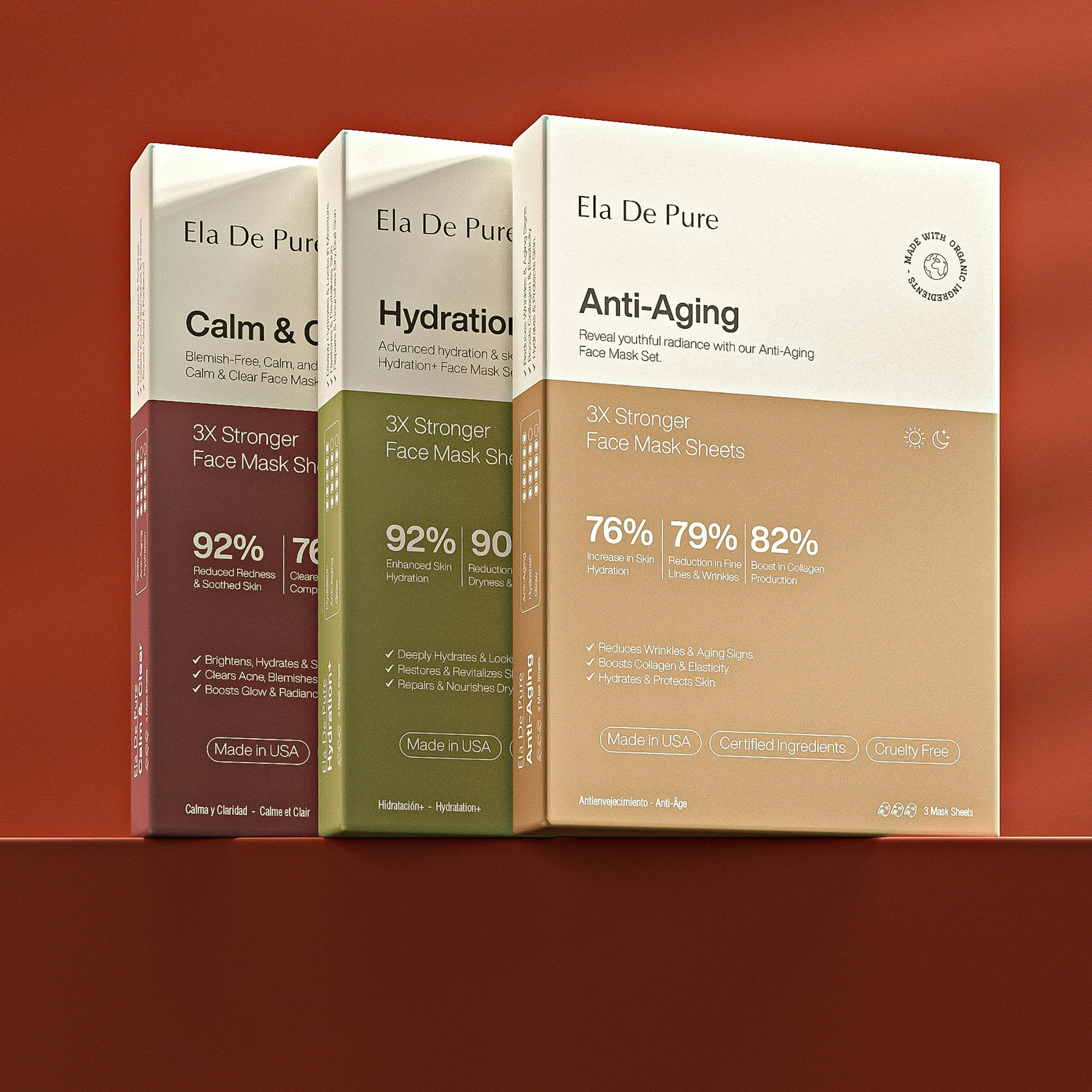
Product names, adjectives used to describe the product, pictures, and marketing claims on the front label can give you an idea of what the product is, but you’ll only know the product’s quality and true effectiveness by reading the ingredients listed on the back, side, or packaging of the product.
Scrub me secret: some companies try to mislead you with the product’s name or marketing terms on the front label or packaging. They want you to think it’s a quality item, plant-based item, or whatever the claim may be when in reality the ingredients are cheap, ineffective, and possibly skin-damaging.
Things to remember:
Words such as skin firming, brightening, breakout clearing, etc describe the product but don't prove its effectiveness.
Reading the actual ingredients gives you a more complete picture.
Identify your skin's needs before deciding what to purchase. (I have blog posts to help you with this! I list them at the end of this article)
Marketing claims such as "clean," "natural," "dermatologist tested," "anti-aging" don’t have true barometers. So they are claims most companies can make.
A product's price doesn't necessarily determine its quality. There are some expensive products I LIVE for and some really affordable items that are amazing, and I use/recommend often.
How to Actually Read a Skincare Ingredients List
I’ll break this down in an easy-to-understand way - or I’ll try my best!
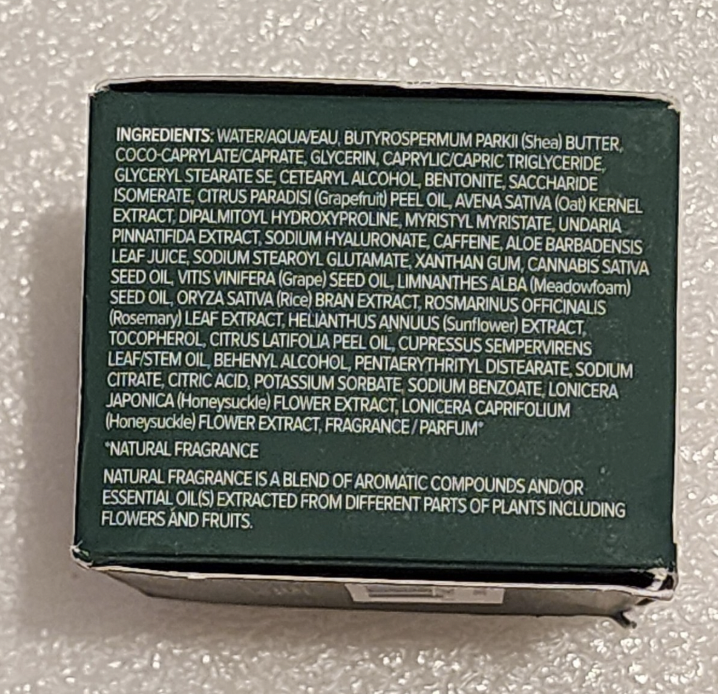
Here is an example of an ingredients label:
You can see they use the INCI names and the simple (easy to understand) names of the ingredients.
Water is listed first because the product contains mostly water - that is a common moisturizer base.
Every ingredient list after water is in order of concentration in the product. So other than water, this item is mostly shea butter and glycerin. The other ingredients follow.
scrub me secret: you can see here they got detailed about their fragrance on the ingredient label. They state at the bottom that it comes from aromatic and essential oil compounds, which I approve of. Only botanicals
One of the first things to know is that in the U.S. and Europe, companies are required to list the ingredient names in their INCI (International Nomenclature of Cosmetic Ingredients) format. INCI ingredient names are scientific and internationally recognized to identify cosmetic ingredients. The Personal Care Products Council regulates this list. Examples would be Butyrospermum Parkii (Shea) Butter and Aloe Barbadensis Leaf Juice (Aloe). So you’ll often see ingredients listed in both their INCI names and simple names. This is why we can’t discount product labels just because the ingredients don’t look “simple” enough.
The ingredients will be listed in order of how much is in the product. Whatever is listed first is what the product has the most of, and so on and so forth. The last item on the list is the least of what’s in the product. You’ll often see water (Aqua), rose water (Rosa Damascena Flower Water), or aloe (Aloe Barbadensis Leaf Juice) listed as the first ingredient because these are all water-based ingredients that essentially act as the base for many skincare products. Once ingredients are at 1% or less concentration in the product, they are allowed to be listed in any order.
**Remember: some useful ingredients only require small concentrations.
Scrub me secret: just because an ingredient isn’t at the top of the list doesn’t mean that it’s ineffective or less effective. Some ingredients are meant to be put into the formulation at a lower concentration than other ingredients. Everything works synergistically together. So don’t worry if you’re looking for “tremella mushroom extract” or “papaya extract” and you see them more towards the middle or bottom of the list. Hope that makes sense!
What it means when there is a section that says “Active Ingredients”: Active ingredients are the ones that will have the most effect. They are doing the heavy lifting, and the other ingredients are there to help the active ingredient apply and work best.
Skincare Ingredient Red Flags: What I Look Out For
These aren’t the ONLY harmful skincare ingredients out there, but this is a list of commonly seen ones.
The EWG SkinDeep Database is a great place that will tell you all about most skincare and beauty ingredients. You can search for products or specific ingredients there.
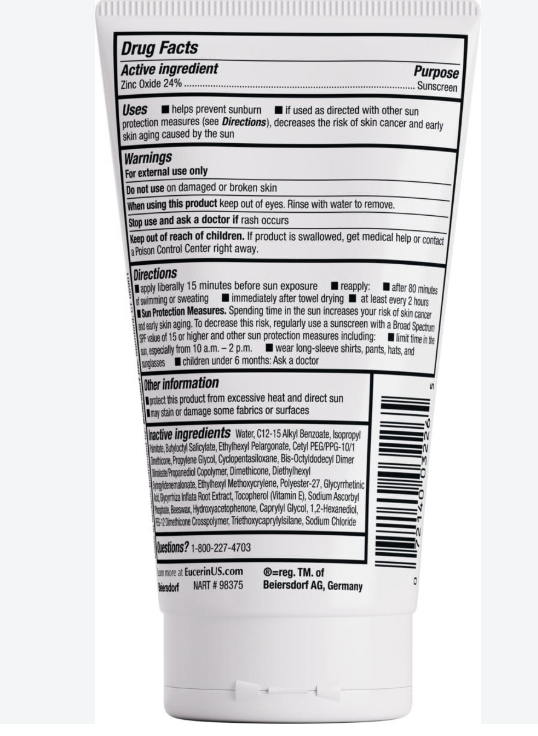
See where it says “Active Ingredient” at the top?
That means thats the ingredient that delivers the results. In this case, the sun protections results.
Fragrance/parfum - These are man-made, synthetic additives that mimic essential oils or other scents. These do not have properties to aid in skin health like essential oils; they are strictly for scent. Fragrance oils and perfumes contain a long list of various skin-irritating ingredients that are not disclosed to us as consumers.
Benzyl alcohol - This is an ingredient that is added for fragrance masking properties and is also used as a preservative. It is known to cause atopic dermatitis or skin irritation.
Denatured Alcohol - Extremely drying for skin and strips us of oils that are needed for skin barrier support. This can make skin dry, chapped, and red.
Methylisothiazolinone (MIT) - A commonly used, bacteria-killing preservative. It is a known skin irritant and can also be toxic to the body. It’s banned in Europe.
Propylene glycol - A common ingredient in skincare items and some food. This chemical is used to help water-based products retain some of their moisture and texture. In our skincare practice over the years, we have found that this is a skin irritant for many.
Lanolin - This ingredient is a wax/oil found in a number of moisturizing and conditioning products. Since this product is derived from wool, it is known to be a common skin irritant for some. The waxiness can be pore-clogging.
Propylparaben - A paraben is used in face lotions, cleansers, and other self-care items. This is known to be irritating to sensitive or sensitized skin.
Scrub Me Secret: Be aware of greenwashing. This is when a company will market certain items like skincare, haircare, cleaning products, etc to make them appear to be “cleaner” or higher quality than they actually are. Meaningless claims like “All Natural”, “Green”, “Clean” are used, or certain colors (like green or brown) or packaging may be trying to mislead consumers to think that the product is all plant-based or made from ingredients from the earth.
My Personal Skincare Shopping Checklist
A short checklist to go over when considering your next purchases!
Skincare shopping checklist
☑️ Ignore any of the words or claims on the front for a moment.
☑️ Scan the whole ingredient list or at least look it up on the EWG website
☑️ Find the ingredients that address your skin concerns [ex: hydration, oil control, healing]. I teach you about skincare ingredients in the articles I’ve linked at the end.
☑️ Make sure the item(s) don’t have ingredients you know irritate your skin.
☑️ Consider how the product will fit into your routine.
☑️ Research unfamiliar ingredients or plug them into the SkinDeep Database before purchasing.
Scrub Me Secret: Sometimes it takes some trial and error to find out what ingredients your skin likes and doesn’t react well to. Over time, you’ll come to learn which ingredients work well for you and which ones you should avoid. That’s why I like keeping my skincare routine minimal and purposeful; if something does irritate your skin, you can easily weed it out.
Now You’re a More Confident Skincare Shopper
The most important things to remember are: read the ingredients label before purchasing, or at least look it up on the EWG Skin Deep database. Choose items that contain ingredients that target your goals; start to discern what your skin reacts poorly to (and avoid that). Craft yourself a skincare routine that feels meaningful.
Scrub Me Secret: If you need help figuring out specific products or ingredients for your type of skin or skincare needs, visit these blog posts:
Skincare Routine Order: The Most Important Steps for Clear, Healthy Skin
What Your Skin Needs at Every Age: A Complete Skincare Timeline
How to Start the Perfect Skincare Routine for Beginners: A Step-by-Step Guide
Did you know I offer both virtual and in-person skin consultations? We meet, review your skincare routine, how your skin feels/looks right now, and how you feel about it; I answer any questions you have and help you build a quality skincare routine that fits you. Visit my studio in Boulder, Colorado, or visit me virtually!