
Botanical Skincare 101: Benefits, Greenwashing, and My Favorite Ingredients
I have a special place in my heart for botanical skincare. Floral petals, vibrant herbs, nourishment from the earth, roots dense with minerals- it’s all so lovely! I like simple things that have real abilities to improve our skin health or overall wellness, and it doesn’t hurt that most botanicals are pretty to look at and smell. 🌱
But like most skincare categories, plant-based and botanical skincare products are often hard to navigate, and know exactly what’s best for your skin. Because not all plant-based skincare is created equal, and not all ingredients from the earth are safe or good for your skin. I wrote you this guide that will help you better navigate the world of botanical skincare, or even just understand it a bit better.
In this blog, I’ll define botanical and plant-based skincare, give tips on how to spot and avoid greenwashing, share my best information for finding the best botanical skincare, and list my top 5 favorite plant-based ingredients.

scrub me secret: I started making body care items using essential oils and other simple ingredients from the earth in 2010. To this day, I still love to research plants, flowers, roots, seeds, and oils that I can use to make soaps, body butters, balms, and more.
What Are Botanicals in Skincare?
Botanicals are a category of ingredients that are derived from herbs, flowers, roots, and other parts of a plant or something that lives in nature (examples would be honey that comes from bees and essential oils distilled from plants). Botanical skincare usually - but not always - is simple and has a minimal list of ingredients.
What Is Plant-Based Skincare?
Plant-based skincare is a loose term for skincare products that contain ingredients derived from plants or from the earth. This is where we have to be discerning; just because something says it’s plant-based or contains plant-derived ingredients doesn’t mean that it’s FULLY plant-based or free from harmful chemicals. Some plant-based skincare items are high-quality and made with ingredients that are good for treating skin, and others are not. A plant-based ingredient can also be defined as an ingredient that was derived from nature, and then man-made technology was used to improve efficacy.
Botanical vs. Plant-Based Skincare: What’s the Difference?
Botanical and plant-based are oftentimes used interchangeably when referring to skincare with ingredients derived from nature. The main difference between botanical and plant-based is that botanical refers to a more niche group of ingredients that come directly from a flower, root, leaf, or seed pod and are then used in their most natural form. A plant-based ingredient comes from a plant but may be more altered or processed.
scrub me secret: a good example of a plant-based ingredient thats not a botanical. Bakuchiol. This is a bio-retinoil ingredient that comes from the Psoralea corylifolia (babchi) plant. It takes a specific scientific method to extract the bakuchiol from the plant and then add it to skincare. It’s a lovely ingredient.
How to Spot Greenwashing in Skincare
So first of all, what is greenwashing? Greenwashing is when a company uses certain language, labeling, or marketing to make you think that it is botanical, fully plant-based, or filled with “healthy” ingredients when, in reality, that’s not the truth. Or maybe they’re using marketing tactics to make it seem that their company or products are more eco-friendly than they truly are.
Tips for not falling for greenwashing
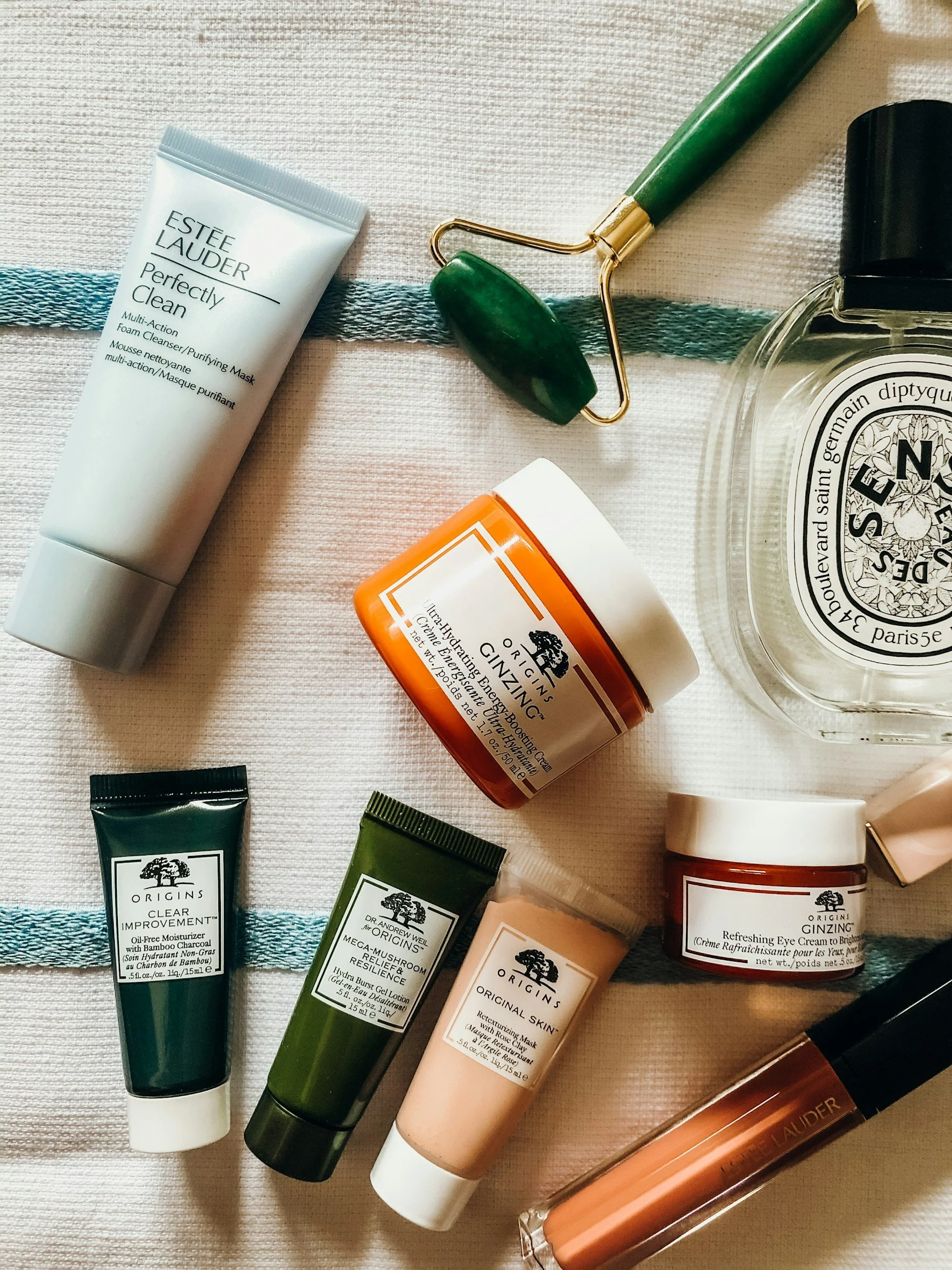
✅ Don’t make decisions based upon the front label. Just because something says “natural, plant-based, from nature, clean, etc” or names botanical ingredients doesn’t mean you can automatically trust it. Look for the ingredients listed on the back.
✅ Words like “clean, natural, green, essential, and non-toxic” are often used to portray that the product contains quality ingredients, but they actually hold no merit. Never purchase a product just because these words are on the label.
✅ Sometimes a product will advertise that it contains a certain ingredient, for example, aloe, rose, lavender, yerba mate (just to name a few), just as a marketing tactic to get you to purchase. Always look at the full ingredients list before purchasing.
✅ I love an apothecary, natural grocery store, upscale beauty shop, or K-beauty store. But we still need to be our own skincare detectives and look at the ingredients of our items before purchasing. Just because an item is at a store that sells quality skincare doesn’t mean you can automatically trust each item there.
✅ Don’t let color choices and packaging design trick you into thinking something is botanical, plant-based, or “natural”. A lot of companies will package crappy, low-quality skincare in packaging that gives the “natural” impression.
✅ Do your research. If a company makes claims of being eco-friendly, having a low carbon footprint, or contributing positively to the environment in some way, it should be easy and transparent to find out exactly how they do this - you’ll just need to do a quick Google search.
scrub me secret: do your own research! But here are 2 helpful articles I’ve written: “5 spooky skincare ingredients you want to avoid” and " Tips to navigating a product label”
What Makes a High-Quality Skincare Product?
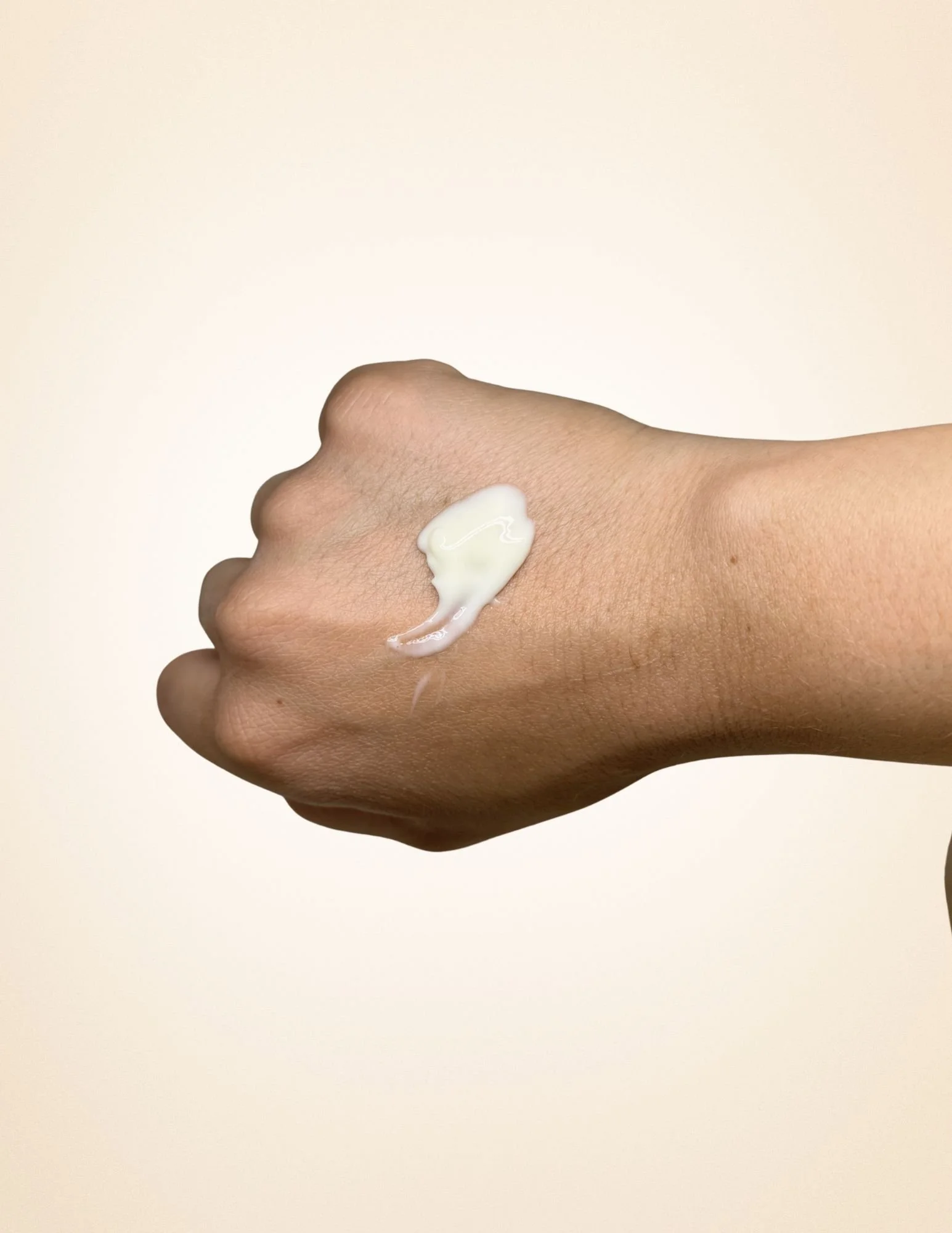
scrub me skin care CBD lotion is a perfect example of a high quality item 😉
The main thing I look for is an ingredient list that looks purposeful and makes sense. What does that mean? It means that most or all of the ingredients serve some sort of specific purpose for your skin: adding hydration and moisture, for cell turnover, providing antioxidant nutrients, offering antibacterial properties, providing healing effects, or barrier support. Don’t worry, you don’t need to be an esthetician, skincare expert, or scientist to read an ingredient label. You can use resources like EWG.org, the Yuka app, or my blog post about navigating a product label.
Something else that I look for in a quality skincare item is what is NOT included. If I don’t see fragrance/parfume, sulfates, parabens, Linalool, propylene glycol, denatured alcohol, mineral oil, or any other skin-damaging ingredients (EWG.org will tell you), then I approve!
scrub me secret: skincare lines I trust are Josh Rosebrook, Good Molecules, True Botanicals, Sonya Dakar, Purity Woods, and I also love Credo because I trust mostly all the skincare and makeup lines they carry.
Common Misunderstandings About Botanical Skincare
❌ Botanical skincare doesn’t work as well as other skincare with more “clinical” ingredients.
Just because something is simple and comes from a plant or nature doesn’t mean it is less effective for skin. It depends more on the quality and properties of the ingredients vs. where it’s from.
❌ Botanical/plantbased skincare for sure has ingredients that are good for you
Just because an ingredient is from the earth doesn’t automatically mean it’s good for skincare. All the information in this blog guides you on how to choose quality botanical skincare.
❌ Sensitive skin can’t have any items with essential oils or herbs
While concentrated doses of essential oils can be sensitizing to the skin, in small amounts, certain essential oils can have calming and anti-inflammatory effects, like chamomile, Bulgarian lavender, and blue tansy. Same with herbs, infusing certain oils with antioxidant-rich herbs can be great for sensitive skin. You just want to avoid items you specifically have allergies to or react to.
❌ You can’t prevent or treat wrinkles with plant-based skincare
This is so untrue! I find that antioxidant-rich oil (like jojoba, grapeseed, or argan) and certain facial massage techniques are the best way to treat wrinkles.
My Top 5 Favorite Botanical Ingredients
I love botanical ingredients that treat skin because of their simplicity and because I have always been drawn to the idea that so much of what we need for skin and body health can come directly from nature. Things that grow in and are derived from sources in nature are packed with nutrients, minerals, healing elements, and so much more goodness. And certain natural elements are great for treating the skin. This is a list of my top 5.
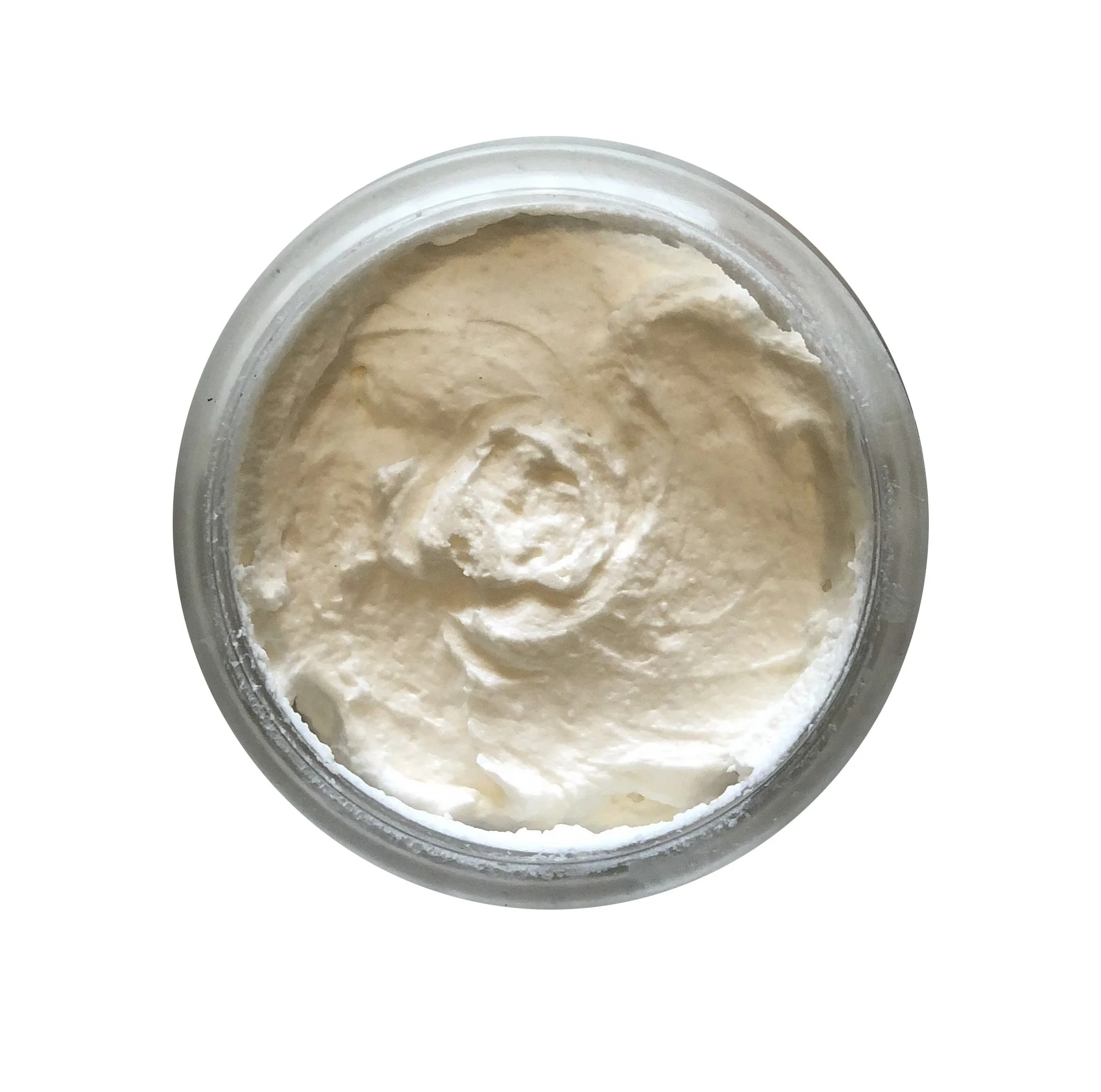
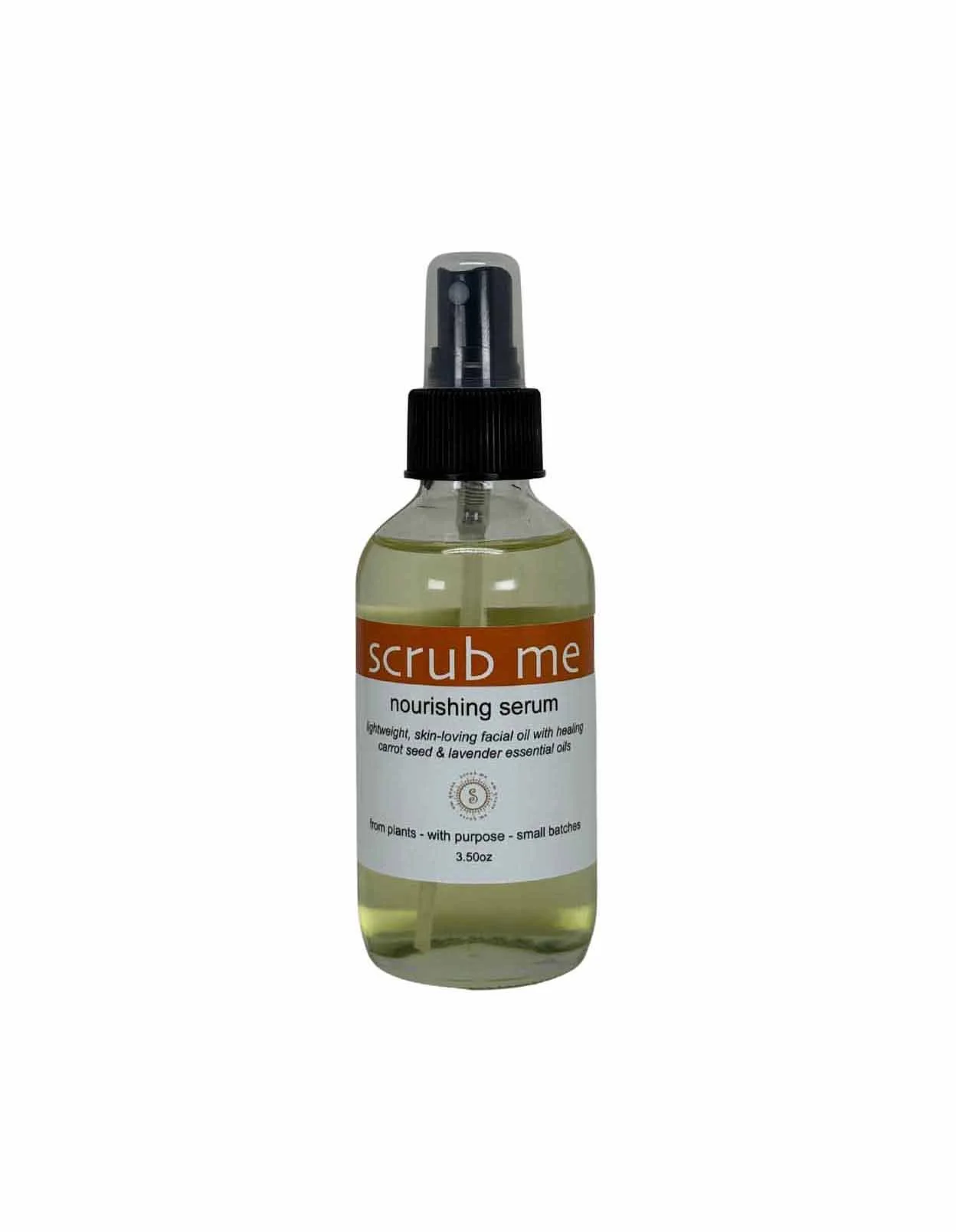
scrub me secret: Don’t get me wrong, I am also so thankful for modern advancements in technology, medicine, skincare, and wellness. I like to do my research and see what’s best for skin health and blend those technologies with botanical skincare. For example, I love incorporating LED light therapy and nano infusion into facial treatments.
Manuka Honey
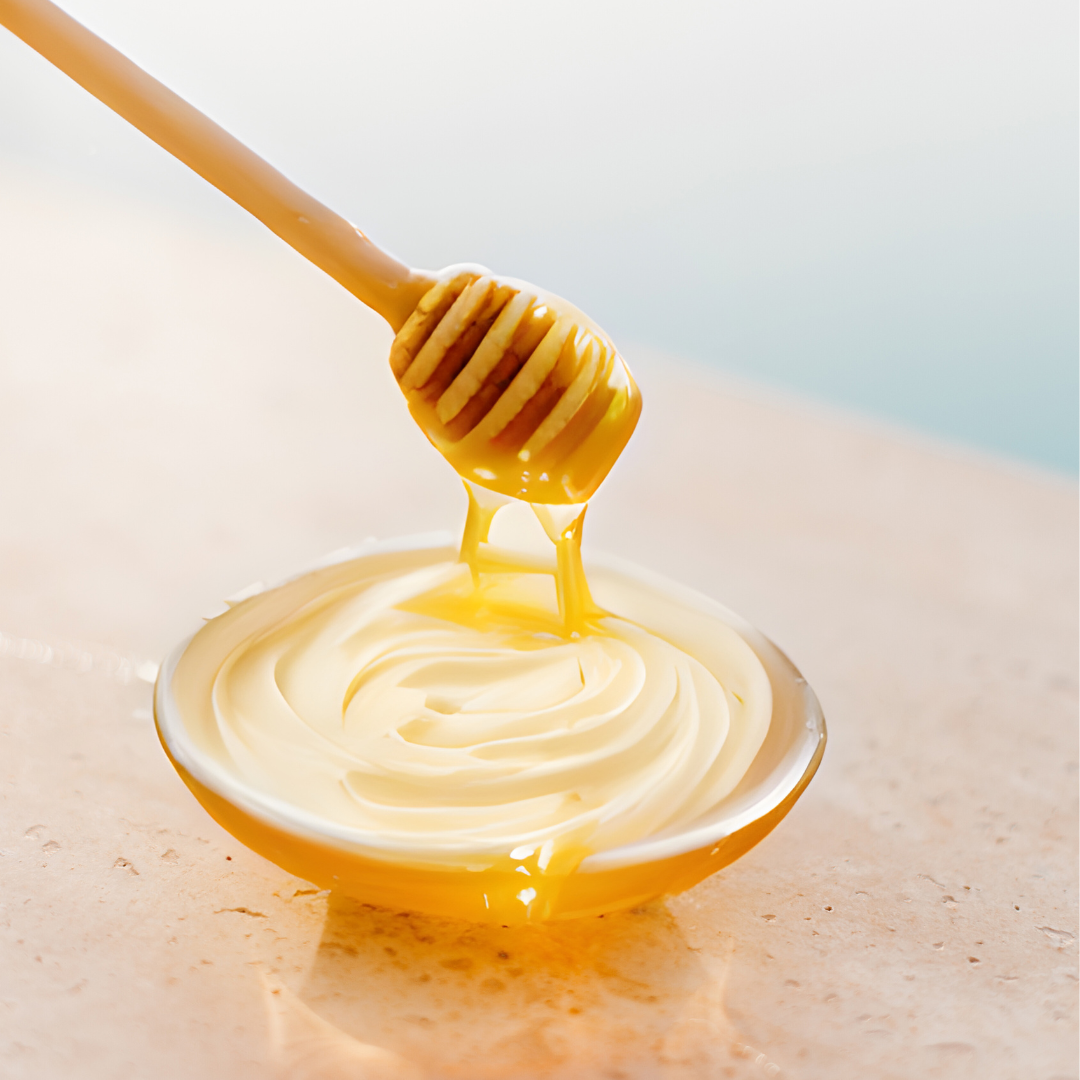
Manuka honey is different from regular honey because it contains naturally occurring antibacterial compounds. These compounds make it great for wound healing and repairing skin.
Manuka honey is derived from the nectar of the Mānuka tea tree and must pass specific guidelines before being sold, making it a very special type of honey. This medicinal honey is used internally and externally for its various health and beauty benefits. But I really love using it as a healing mask for dry skin, acneic skin, or damaged skin. And I love moisturizing skincare that includes manuka honey.
Jojoba Oil
The fatty esters in jojoba oil resemble the makeup of our own sebum (skin’s oil). This makes it a great facial oil because it can help balance, soften, and protect our skin without causing breakouts. I love the conditioning properties of jojoba and how it is safe to use for most skin types. I use it for facial massage oil, pre-cleanse oil, and oil moisturizer.
Jojoba oil comes from a seed pod that grows from an evergreen tree called Simmondsia chinensis. I like both golden and clear jojoba oil.
Raw Shea Butter
Shea butter is a raw ingredient that contains healthy fats and has a firm, creamy texture. Shea butter is great for use on our bodies because it contains nutrients and fats that aid our skin in retaining moisture and protect it from moisture loss. While shea butter is a bit too heavy for use on our faces, it helps heal cracked/dry skin, eczema, and inflamed skin. It can also protect our skin against new stretch marks.
Shea butter is found in nuts that grow from a shea nut tree. To get raw shea, nuts are harvested and dried, cracked to extract the kernels, roasted into a paste, and then churned with water until the natural fats float to the top. And those fats are the raw shea that we love for skincare.
Rose Hydrosol
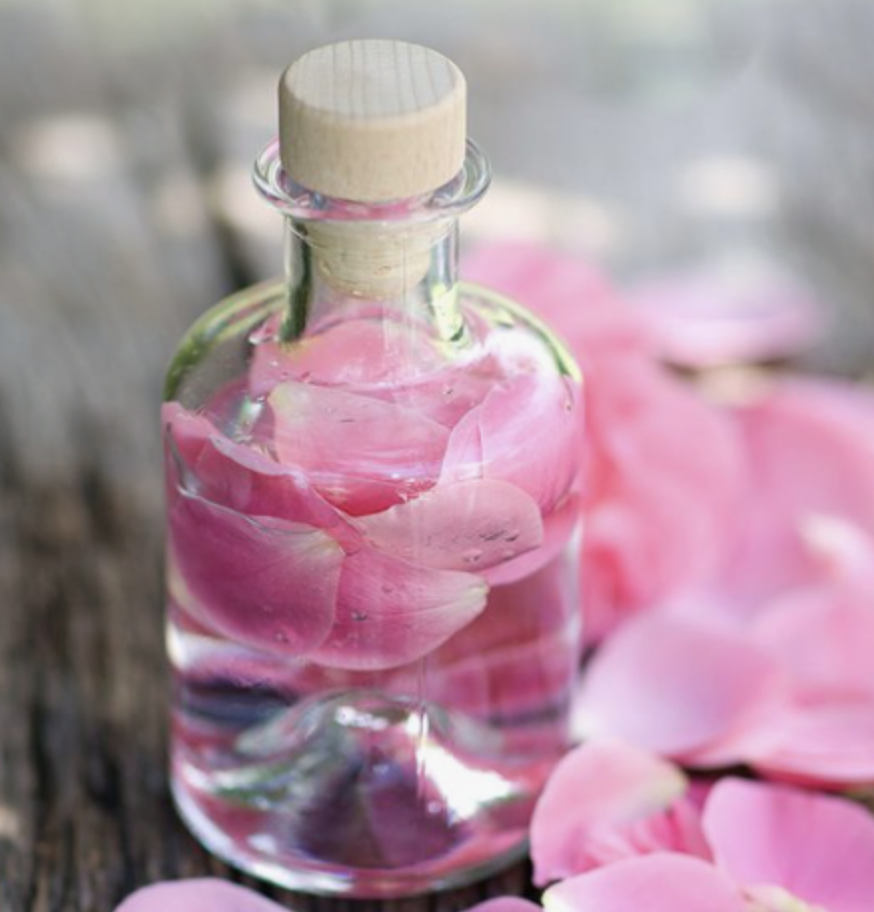
A hydrosol is a water-based product that contains actual plant-based materials distilled from flowers or plants. A very common hydrosol, and my personal favorite, is rose hydrosol. Rose provides antioxidant benefits for the skin, helping keep it healthy and preserve it. Rose hydrosol adds hydration with these important antioxidant benefits. It’s perfect for dehydrated, dry, and aging skin.
Rosewater is made by soaking fresh rose petals in water and then using a distillation method to extract antioxidant-rich floral water from the petals. Steam distillation results in a high-quality hydrosol. This is when steam passes through fresh rose petals, carrying the botanical vapor through a condensation system. The condensation is collected, making a concentrated rose water.
Crushed Grapeseed
This ingredient is a fine-grain, dry, sand-like material made from pulverizing the seeds of grapes. This is a perfect texture for effective exfoliation that does not damage skin on the face or body. It has antioxidant properties that contribute to healthy skin cells, similar to rose hydrosol. The type of exfoliation it provides brings healthy blood flow to your skin. Helping it to be more radiant and firm. Crushed grape seed also contains antioxidants and linoleic acid that will help dry or sensitive skin. It’s actually what makes up the base of my antioxidant powder mask.
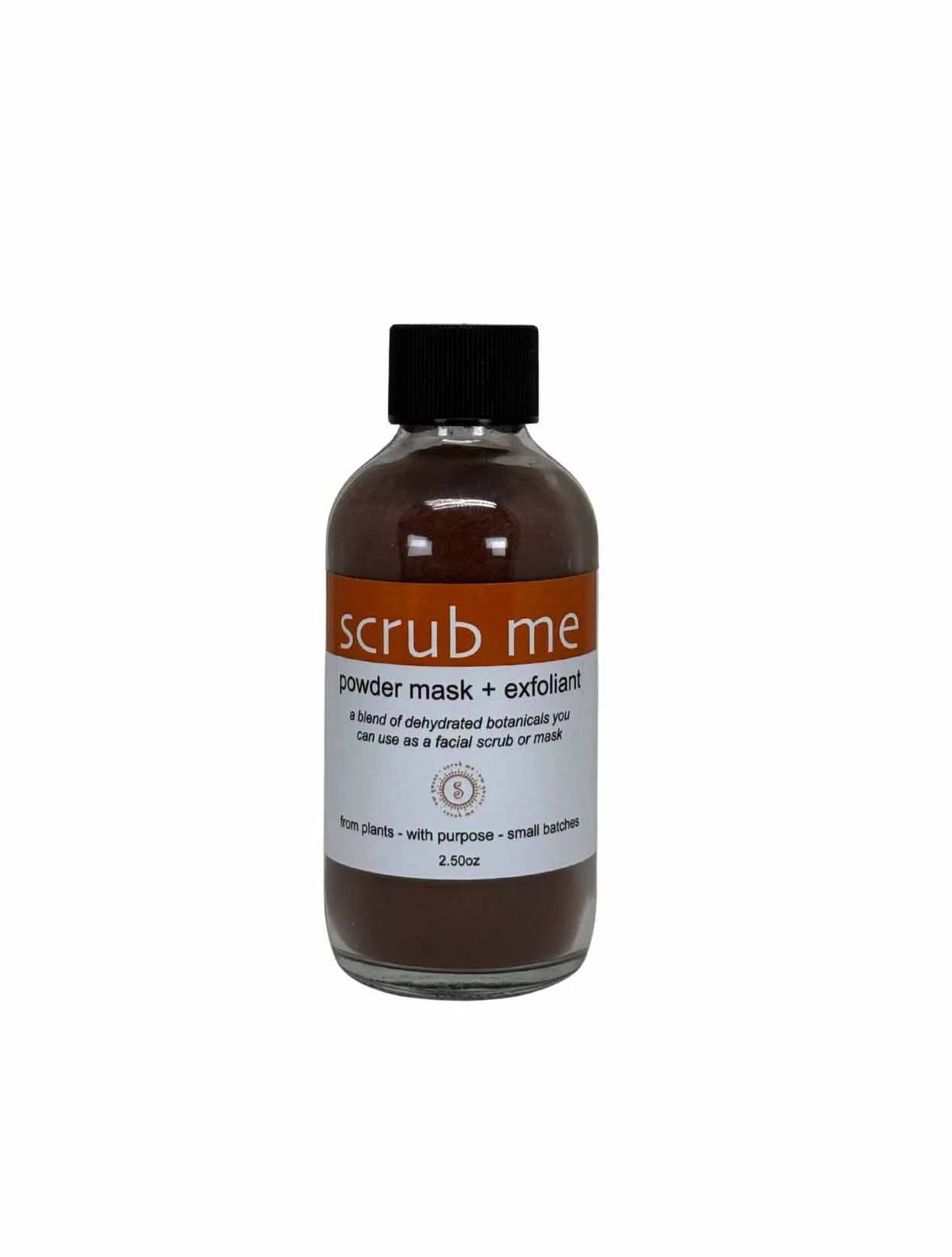
Crushed grape seed is the base of the powder mask