
The Secret to Healthier, Fuller-Looking Hair? Start With Your Scalp
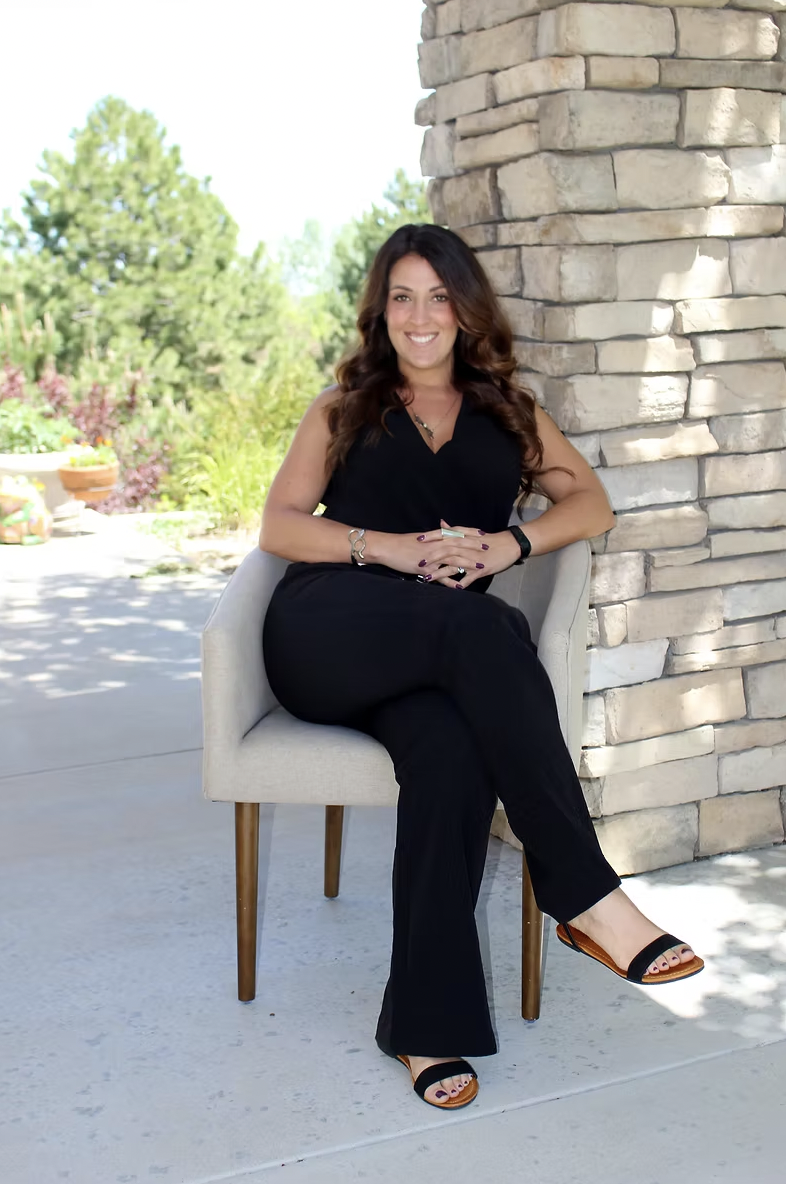
Since I’m not a haircare expert by any means, I wanted to wait to write a blog like this until I found the perfect knowledgeable person. I met Lucille Miller of LUCi Hair Artistry when I moved into the same suite rental space in Boulder, CO. She came to me with a need for lymphatic drainage information and facial work, and I came to her to pick her brain about how I naturally could improve my hair health. A perfect pairing!
When we think about achieving healthier, shinier, or fuller-looking hair, we usually put a lot of time and effort into our hair itself. We buy moisturizing conditioners, strengthening masks, styling products, and supplements (guilty!), but how often do we think about the skin underneath it? Today we talk about how scalp health is really the root of it all and something that is often overlooked.
Luci has worked in the hair industry for 21 years. After spending years in Minnesota working with extensions and other high-maintenance hair services, her work in Boulder has shifted toward helping clients embrace and care for their natural hair and using products that improve hair/scalp health. Education remains an important part of every appointment. I love that because I feel the same about skincare.
I spoke with Luci about scalp health, everyday hair damage, and the simple habits that can help us create healthier hair from the root down. This is our interview! At the end, I am giving my key takeaways. I learned a lot!
First, what do you love most about being a hairstylist?
Luci: I love teaching people how to care for and style their hair. I also love connecting with people.
Earlier in my career, I did a lot of extensions and high-maintenance hair. Now, I focus more on helping people care for their natural hair and making sure their hair is healthy and something they are happy with.
What is one thing you wish more people understood about hair care?
Luci: The importance of scalp health and how important it is for healthy hair.
People often concentrate on repairing the ends of their hair, but the scalp is where healthy hair begins. The only living portion of the hair is beneath the surface, where it develops within the follicle. Once the hair grows beyond the scalp, the visible strand itself is no longer living tissue.
That means we should not think of scalp care as an optional extra. It is part of caring for our hair.
Before we get deep into scalp care (now that we know how important it is), I have a couple more hair health questions.
How much does our internal health affect our hair?
Luci: It has a huge effect. We need to make sure we are hydrated and properly nourished.
Gut health affects hair health. When the body is not receiving enough nutrients, it prioritizes essential functions. Hair growth is not essential for survival, so deficiencies or major physical stress can sometimes affect our hair.
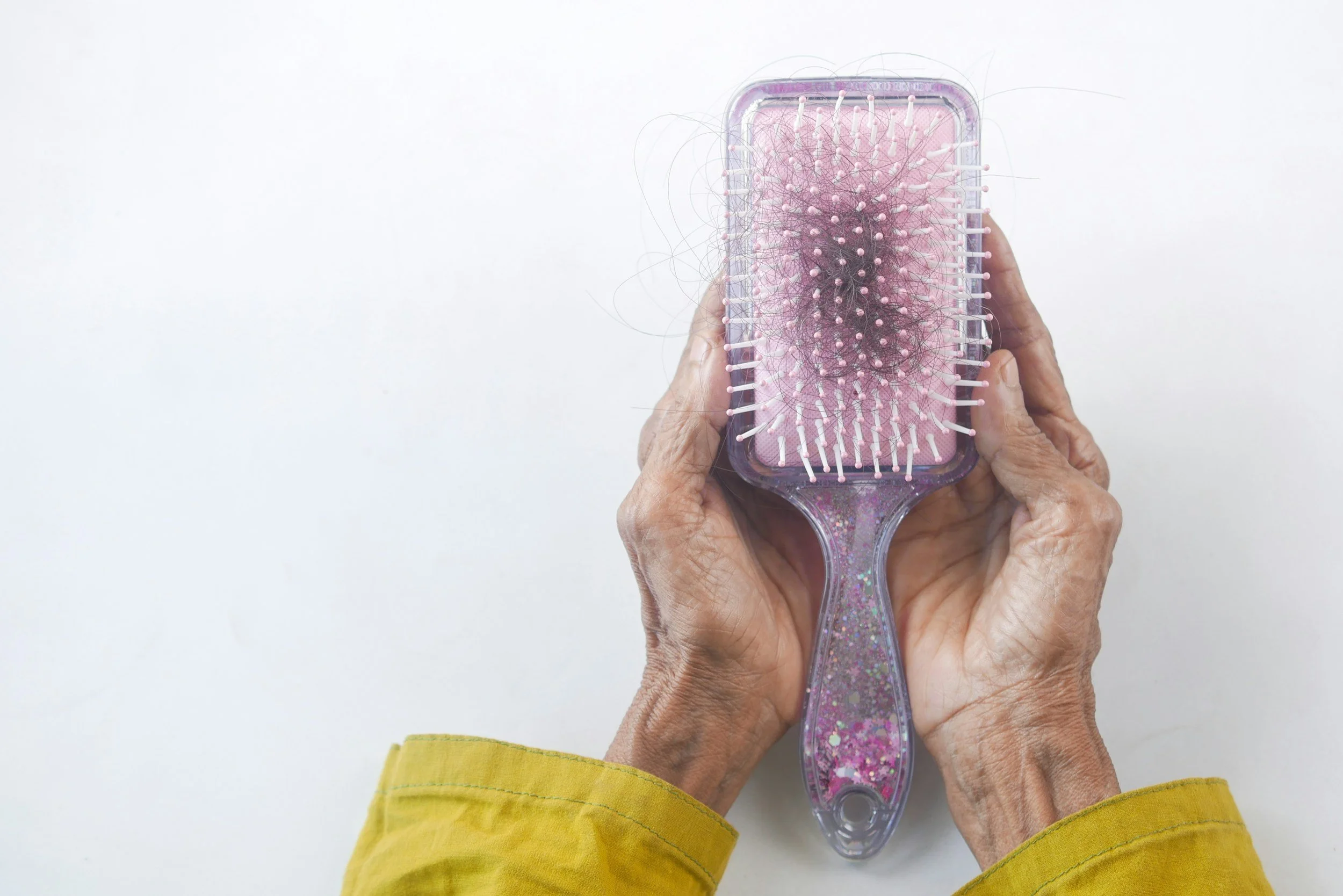
Sometimes a cause of hair loss is intense stress, medical procedure, hormonal fluctuation, or illness. Be kind to yourself in these moments and know some of it may be out of your control.
Low iron, vitamin deficiencies, hormonal changes, major illness, and surgery may all contribute to changes in hair growth or shedding. Changes in the hair can sometimes be a clue that something else is happening internally.
One condition associated with significant physical or emotional stress is telogen effluvium. This is a form of temporary shedding that can occur when a larger-than-usual number of hairs enter the resting and shedding stages of the growth cycle. It may become noticeable several months after an illness, surgery, major hormonal change, or another stressful event.
**Because hair loss has many possible causes, sudden or significant shedding should be evaluated by a medical professional.
Can you tell me about the stages of hair growth?
Luci: Hair does not grow continuously forever. Each strand moves through a natural cycle. There is a growth phase where the hair is actively growing. The resting phase, where growth slows. Finally, the shedding phase, when the old hair is released, allowing the cycle to begin again.
What are foods or drinks that can support healthy hair?
Luci: Start with water. Hydration matters.
Iron-rich foods, healthy fats, omega fatty acids, bone broth, and other collagen-rich or protein-rich foods or collagen supplements. Those are my recommendations.
What about hair-growth supplements? I personally take the beef organ complex supplements, so selfishly I’d love to know your thoughts.
Luci: Yes, beef-organ supplements are helpful for natural hair growth and fuller hair; I think those are beneficial for you to keep taking daily. I personally like to ingest copper peptides (GHK-Cu); incorporating those supplements into my daily wellness routine makes my hair and body feel healthier.
Another thing is organic cold-pressed pumpkin seed oil with saw palmetto [in supplement form]. This is something that has worked well for me. I also increased my iron and vitamin D intake after realizing that my levels were low in those areas.
**It is important to remember that Luci and I are talking about her personal experience and things that we have personally tried. We are not medical professionals prescribing a treatment. Iron and vitamin D supplements should not automatically be taken for hair loss without testing or guidance. Always consult a medical professional first.
What are some everyday habits that can damage our hair?
Luci: Strong sun exposure is a big one. People should wear a hat when they are outside in intense sunlight because that intense sun can damage both the hair and scalp.
Heat styling can also cause damage, especially when it is done too frequently or at unnecessarily high temperatures.
Overwashing is another common problem. For many people, washing no more than every other day is enough. You do not necessarily need to rinse your hair every time you sweat, either. Sometimes you can simply use a blow-dryer at low heat to dry the sweat at the roots.
Which products or tools cause the most damage?
Luci: Hot tools cause the most damage.
Another issue is blow-drying without the concentrator nozzle attached. The nozzle helps direct and control the airflow. Without it, the heat can become more scattered and difficult to control, which may leave the hair feeling dry and rough.
Dry shampoo can also become a problem. Many formulas create buildup on the scalp, especially when they are applied repeatedly without properly cleansing the hair afterward.
I also do not recommend applying coconut oil or beef tallow directly to the hair. These ingredients can be heavy and may sit on the hair, causing buildup rather than giving it what it actually needs.
What are some simple tips for healthier hair?
Luci: Rinse your conditioner with cooler water, and even try to leave a little of your conditioner on the ends of your hair. That helps keep the ends moisturized and smoother. Or coat the ends of your hair with leave-in conditioner.
Do not begin detailed blow-dry styling when your hair is soaking wet. Let it air-dry or use a warm or cool blow-dryer (with a nozzle attachment) to dry it first until it is approximately 90 percent dry. Then begin styling it with your brush.
When brushing, start at the ends and slowly work your way upward. Never brush aggressively through tangles. Don’t brush your hair when it’s wet.
Get a scalp treatment once every couple of months!
These small changes can help reduce unnecessary pulling, friction, heat exposure, and buildup that inhibits healthy hair growth.
Scalp Care:
How can we tell whether our scalp is healthy or unhealthy?
Luci: Sometimes you can see buildup or flaking on your scalp. An unhealthy or irritated scalp might also look red or feel itchy, uncomfortable, or tight.
A healthy scalp should generally feel comfortable and relatively balanced.
Visit your doctor or medical professional if your scalp is consistently sensitive, red, flaky, and dry. This could be a medical issue.
Can scalp health affect how thick or full our hair looks?
Luci: Yes! A healthy scalp creates a better environment for strong hair growth.
A normal healthy scalp has 2-3 hairs from each pore. An unhealthy, clogged scalp has 1-2 per pore, and the hairs are weak and have to fight to be there. Resulting in hair that isn’t as full.
Which hair-care ingredients can contribute to buildup?
Luci: Sulfates, parabens, and silicones are common ingredients that contribute to buildup.
Silicones and sulfates sit on the cuticle and block conditioner from working correctly or soaking in.
Is there a product line you recommend for scalp care?
Luci: I like Nioxin for scalp health. It uses a three-step system with shampoo, conditioner, and a leave-in scalp treatment. Dermatologists approve of this line, and I really like it.
I’ve never found great hair care or a line that works from Target, Walmart, TJ Maxx, or anything adjacent.
You offer a scalp treatment that I’m excited to experience soon. Can you tell me about that?
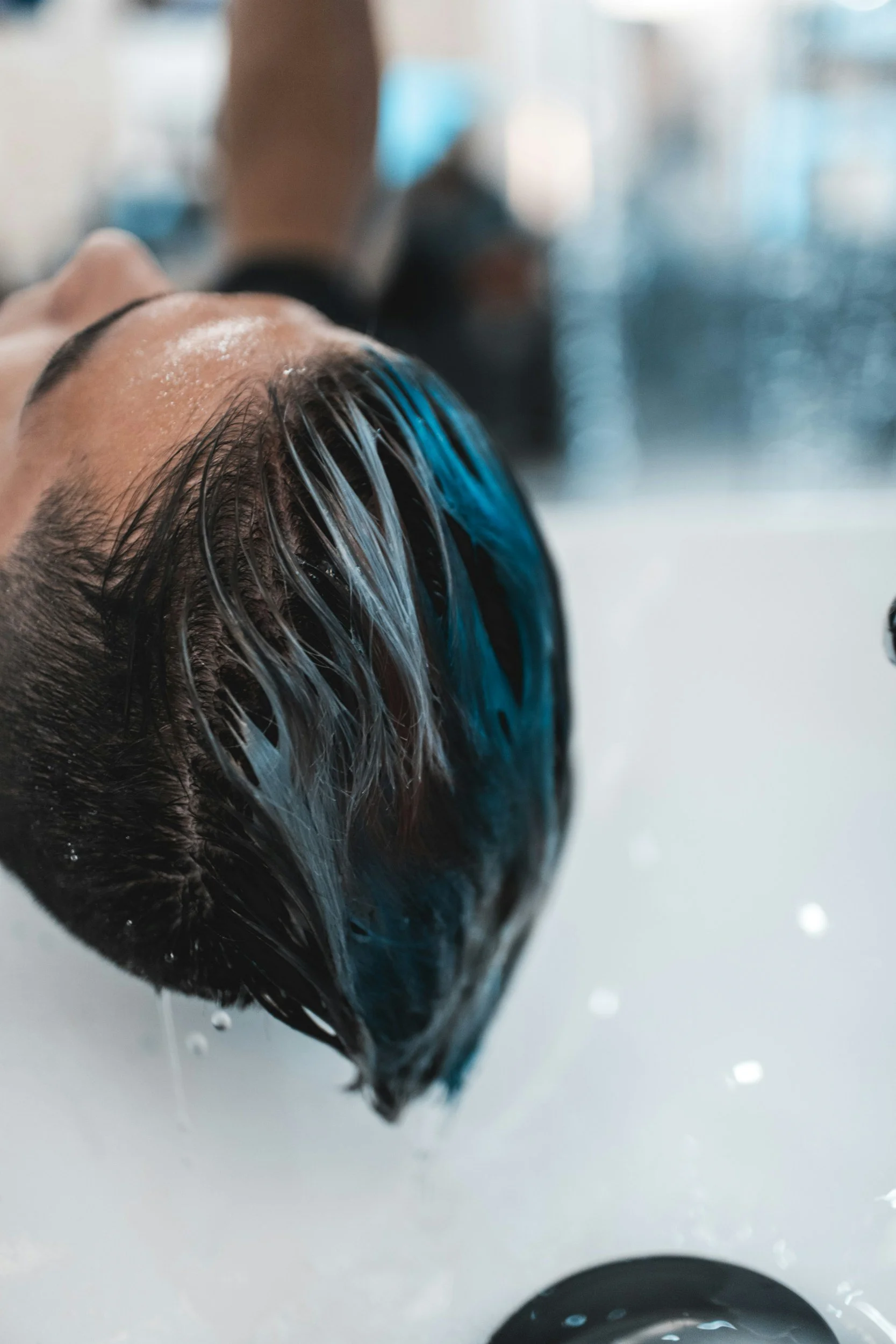
Luci: Yes! It starts with applying a Tri-sugar technology to the scalp.
[I looked this up, and this product uses 3 different sugars, fruit extracts, and lactic acid to exfoliate the scalp. It also contains hydrating aloe and hyaluronic acid that add deep hydration]
Then my client lies down on a heated towel with their feet up and receives a scalp massage. They then sit with a warm eye mask under head steam for ten minutes. Then I wash and condition with NIOXIN’s shampoo and conditioner, which aids in the healthy scalp environment at home. Then I apply rejuvenating red light therapy on their scalp and face for 10 min. I apply a serum that acts like a shield to protect their scalp from whatever they do after they leave, such as sweat, applying products, etc.
I finish with a beautiful blowout and style.
I am definitely booking this service for myself ASAP! I’ll link Luci’s website here if you’d like to visit as well.
Thank you, Luci, for all of the helpful information!
My Key Takeaways 🌟
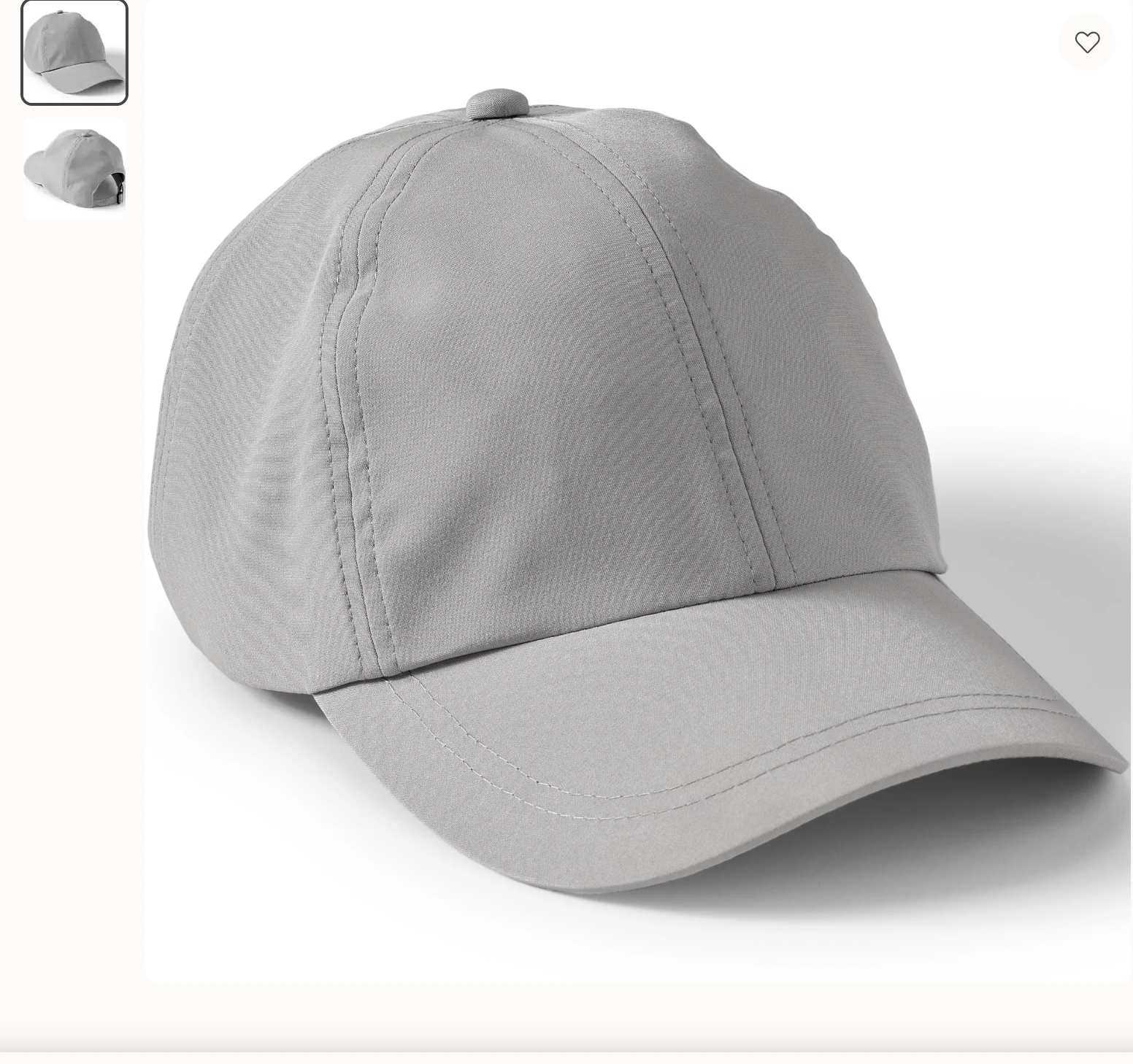
This LandsEnd UPF hat saves skin, scalp, and hair from UV damage.
Caring for where it begins (in the scalp) is more important than the strands on my head.
I’m picky about what skincare I like, and I do my research; I need to be better about this with my hair care.
If I blow-dry my hair, I NEED to have a nozzle on the blow dryer.
It’s a good idea to leave a little conditioner on the ends of my hair post-shower. To hydrate and seal the ends.
Wearing my UPF hat is doing more than protecting my face; I’m protecting my scalp from excessive heat and UV damage. Great for healthy hair!
I should really stop washing my hair every day. (This one is a hard one for me!)
I’m going to start incorporating scalp treatments into my wellness routine. I think I’ll start booking one once a season and see how that feels.
This blog contains affiliate links. If you make a purchase through these links, I may earn a commission at no extra cost to you.